

Deep Tissue Massage Gallery
$$MultiPurposeText$$
See examples of our Deep Tissue Massage work and results.




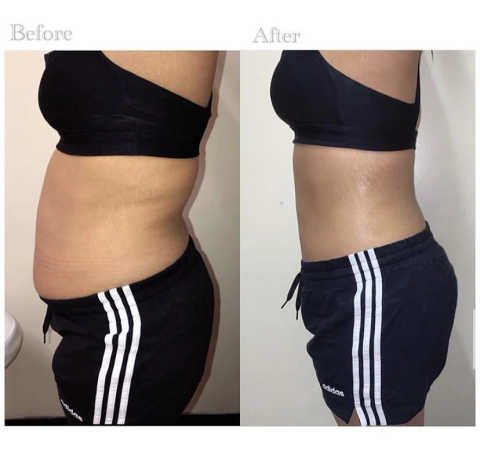

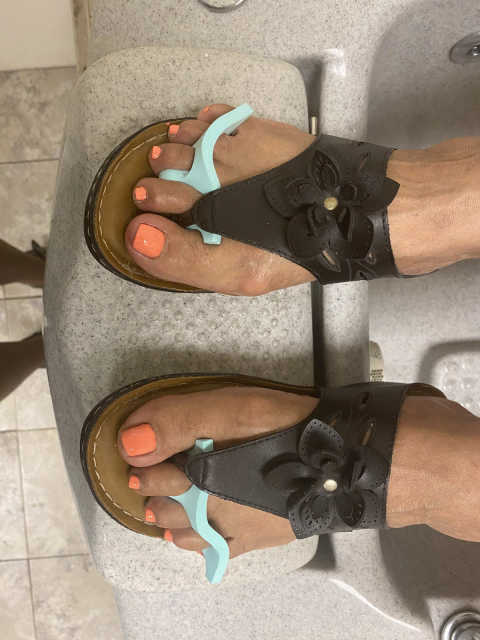



What Our Clients Say
$$MultiPurposeText$$
Read testimonials from our satisfied customers

One of the best massages I’ve ever had, I believe she does it from her soul, the environme...more

Awesome experience! Massage was excellent, just the right amount of pressure

I recently had my first massage, and it was such a calming and refreshing experience. I fe...more

I enjoyed my massage! My massage therapist was very attentive. I will definitely be visiti...more

She was AMAZING!!! The place is cozy they really professional I had a facial and massage s...more

Lovely experience.. Miss A worked her magical hands on my stressful body. Her A1 Massage w...more

Frequently Asked Questions
Get answers to common questions about Deep Tissue Massage.
Yes, many first-time clients benefit from Deep Tissue Massage when the therapist adjusts pressure and techniques. Communicate any sensitivity or pain levels before and during the session; your therapist will modify intensity to ensure comfort while effectively addressing deeper muscle tension and adhesions.
Pressure can feel intense but should never be intolerable; therapists work within your comfort and pain thresholds. You may experience soreness for 24 to 48 hours afterward, a normal response to deep tissue work. Hydrate, rest, and report any prolonged pain.
Frequency depends on needs: weekly to monthly. For chronic tension or rehabilitation, weekly or biweekly sessions often produce best results initially. Once issues improve, spacing to every three to four weeks maintains benefits. Your therapist will recommend a personalized schedule.
Yes. Deep Tissue Massage targets the deep muscles and connective tissue that commonly hold chronic neck and shoulder tension. Through sustained pressure and slow strokes, it reduces adhesions, improves range of motion, and can significantly decrease pain when combined with posture advice and home care.
Yes. Avoid deep tissue work if you have recent fractures, open wounds, active infections, deep vein thrombosis, uncontrolled hypertension, certain cardiovascular conditions, or are on blood-thinning medications. Pregnancy, osteoporosis, and cancer require medical clearance. Always disclose medical history before booking to ensure safe treatment.
Expect immediate relief and increased mobility alongside possible soreness, tenderness, or mild bruising in treated areas. Drink plenty of water, rest, and apply heat or cold as recommended. Light stretching can help maintain gains; contact your therapist if pain worsens or persists beyond a few days.
Read more about Deep Tissue Massage
$$MultiPurposeText$$
Explore our latest insights and guides on Deep Tissue Massage.
