

Sports Massage Gallery
$$MultiPurposeText$$
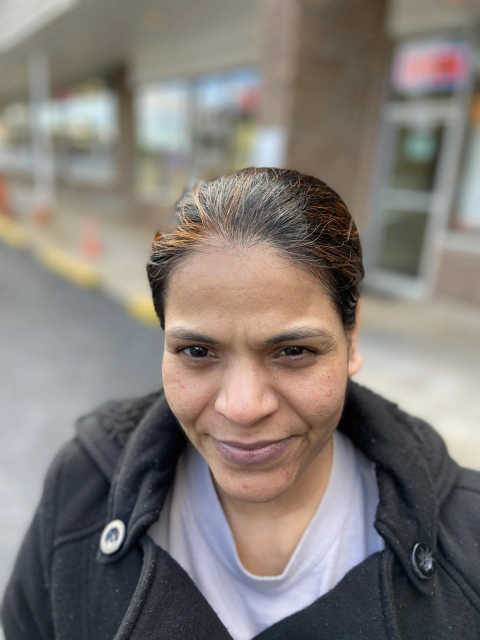
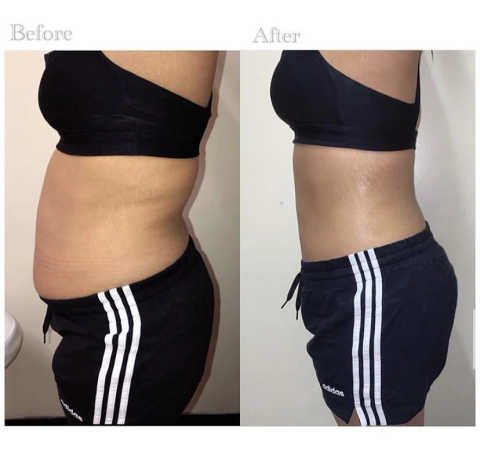
See examples of our Sports Massage work and results.




What Our Clients Say
$$MultiPurposeText$$
Read testimonials from our satisfied customers

One of the best massages I’ve ever had, I believe she does it from her soul, the environme...more

Awesome experience! Massage was excellent, just the right amount of pressure

I recently had my first massage, and it was such a calming and refreshing experience. I fe...more

I enjoyed my massage! My massage therapist was very attentive. I will definitely be visiti...more

She was AMAZING!!! The place is cozy they really professional I had a facial and massage s...more

Lovely experience.. Miss A worked her magical hands on my stressful body. Her A1 Massage w...more

Frequently Asked Questions
Get answers to common questions about Sports Massage.
Frequency depends on training load; typically once weekly during heavy training and biweekly or monthly for maintenance. Pre-competition sessions and occasional post-event treatments can boost recovery and reduce injury risk.
Yes. Sports Massage benefits recreational athletes and active people by addressing muscle imbalances, improving flexibility, and aiding recovery. Therapists adjust pressure and techniques to suit fitness level, goals, and any previous injuries.
Regular Sports Massage can reduce tightness and correct movement patterns that lead to injury. When integrated with training and rehab plans, it lowers risk by improving flexibility, balance, and muscular coordination for safer, more efficient workouts.
Mild soreness or tenderness is possible for 24 to 72 hours after deeper work. Rest, hydrate, and use ice or heat as directed. If pain persists or worsens, contact your therapist to modify pressure or technique.
Share your injury history, recent training, pain locations, and any medical conditions or medications. This helps therapists design a safe, effective Sports Massage and tailor techniques to your recovery and performance goals.
Yes. We often combine Sports Massage with stretching, cupping, compression therapy, or guided mobility exercises. Your therapist will recommend complementary treatments at Kalieai to accelerate recovery and align with your training schedule and goals.
Read more about Sports Massage
$$MultiPurposeText$$
Explore our latest insights and guides on Sports Massage.
